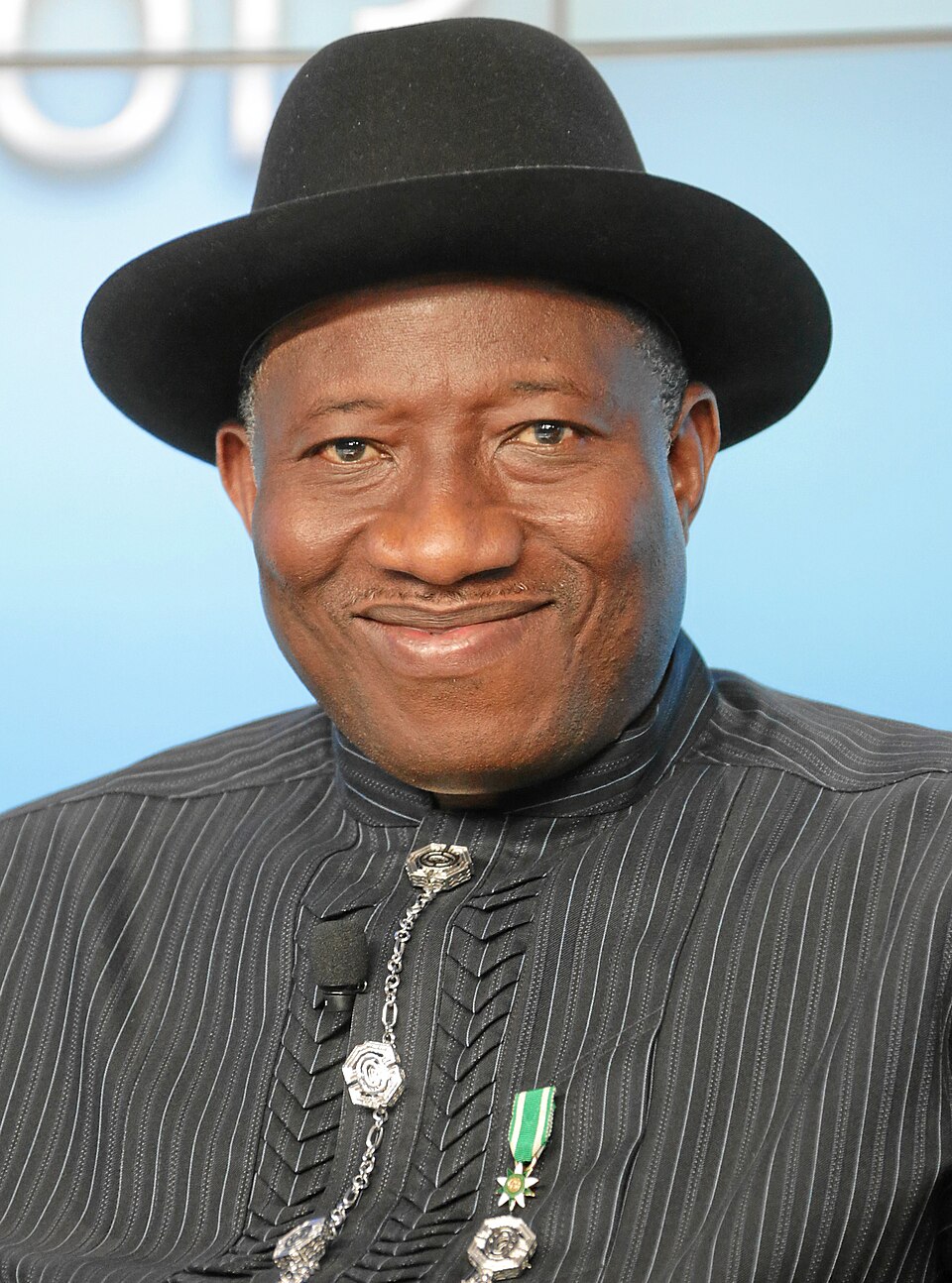
Goodluck Jonathan, a zoologist from the Niger Delta, rose from deputy governor of Bayelsa State to the presidency within five years, largely through the departures of others. He led Nigeria from 2010 to 2015, a period of economic growth, a widening Boko Haram insurgency and persistent corruption scandals, and became the first incumbent to lose an election and the first to concede.1
Early life and career
Jonathan was born on 20 November 1957 in Ogbia, Bayelsa State, into an Ijaw family of canoe makers. He earned three degrees, including a doctorate in zoology, from the University of Port Harcourt, and worked as a lecturer, education inspector and environmental protection officer before joining the PDP.1
Bayelsa and the vice-presidency
He was deputy governor from 1999 under Diepreye Alamieyeseigha and became governor in December 2005 when Alamieyeseigha, facing money-laundering charges in Britain, was impeached. In 2007 he was Umaru Yar’Adua’s running mate and became vice-president.1
Acting president and president
When Yar’Adua fell ill abroad, the National Assembly made Jonathan acting president on 9 February 2010. He was sworn in as president on 6 May 2010 after Yar’Adua’s death, with Namadi Sambo as his deputy.1 In April 2011 he won the presidency in his own right with 58.9% of the vote to Muhammadu Buhari’s 32.0%. International observers judged the vote a clear improvement on 2007, but post-election riots in the north killed about 800 people, according to Human Rights Watch.23
Record in office
- Economy: He began breaking up and privatising the state power company and, in 2014, oversaw a rebasing of GDP that made Nigeria Africa’s largest economy. His removal of the petrol subsidy on 1 January 2012 provoked nationwide strikes and protests; the price was partly restored days later.1
- Security: Boko Haram’s insurgency grew. He declared a state of emergency in Borno, Yobe and Adamawa in May 2013, and in April 2014 more than 200 schoolgirls were abducted from Chibok, a case that drew global attention and criticism of the government’s response.1
- Corruption: In 2014 he suspended the central bank governor, Lamido Sanusi, after Sanusi alleged that up to $20 billion in oil revenue had not been remitted by the NNPC. Critics at home and abroad described corruption as widespread under his government.1
- Other: He signed the Same Sex Marriage (Prohibition) Act in January 2014, convened the 2014 National Conference, and his government contained the 2014 Ebola outbreak in Lagos.1
The 2015 election
Jonathan lost the March 2015 election to Muhammadu Buhari by more than 2.5 million votes and telephoned him to concede on 31 March, before all results were announced, a step widely praised as safeguarding a peaceful transfer of power.14
After the presidency
He has worked as a mediator, including as ECOWAS special envoy in Mali in 2020, and led African election observation missions.1
In 2026 he re-entered party politics. The faction of the PDP led by Kabiru Turaki waived its screening for him in May and named him its 2027 presidential candidate; a Federal High Court ruled the same month that he was eligible to run despite having twice taken the presidential oath.567 The rival PDP leadership recognised by INEC, which is backed by FCT Minister Nyesom Wike, nominated Sandy Onor instead, and INEC’s final list of 18 presidential candidates, published on 12 September 2026, named Onor as the PDP candidate.89 Jonathan has not publicly commented on the faction’s ratification.8
Personal life
He is married to Patience Jonathan, and they have two children. He is a Christian and is known for his trademark fedora.1
References
Goodluck Jonathan. Wikipedia, accessed October 2026. ↩ ↩ ↩ ↩ ↩ ↩ ↩ ↩ ↩ ↩ ↩
2011 Nigerian presidential election. Wikipedia, accessed October 2026. ↩
Nigeria: Post-Election Violence Killed 800. Human Rights Watch, 16 May 2011. ↩
2015 Nigerian presidential election. Wikipedia, accessed October 2026. ↩
2027: PDP clears Jonathan as sole presidential candidate. Vanguard, 19 May 2026. ↩
Court says Jonathan eligible to contest in 2027. Vanguard, 26 May 2026. ↩
PDP affirms Jonathan as 2027 presidential candidate. The Guardian Nigeria, 30 May 2026. ↩
2027 Poll: Turaki-led PDP faction submits ex-President Jonathan’s name, others to INEC. Premium Times, 31 July 2026. ↩ ↩
INEC Publishes Final List Of Presidential Candidates For 2027 Election. Channels Television, 12 September 2026. ↩
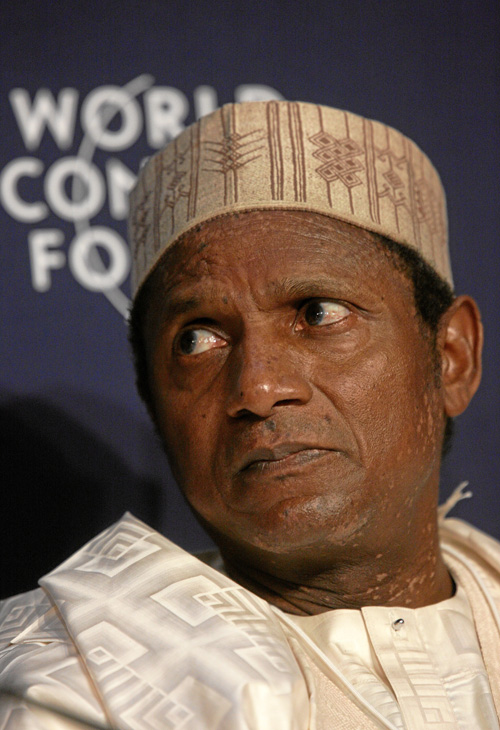 Umaru Musa Yar'Adua
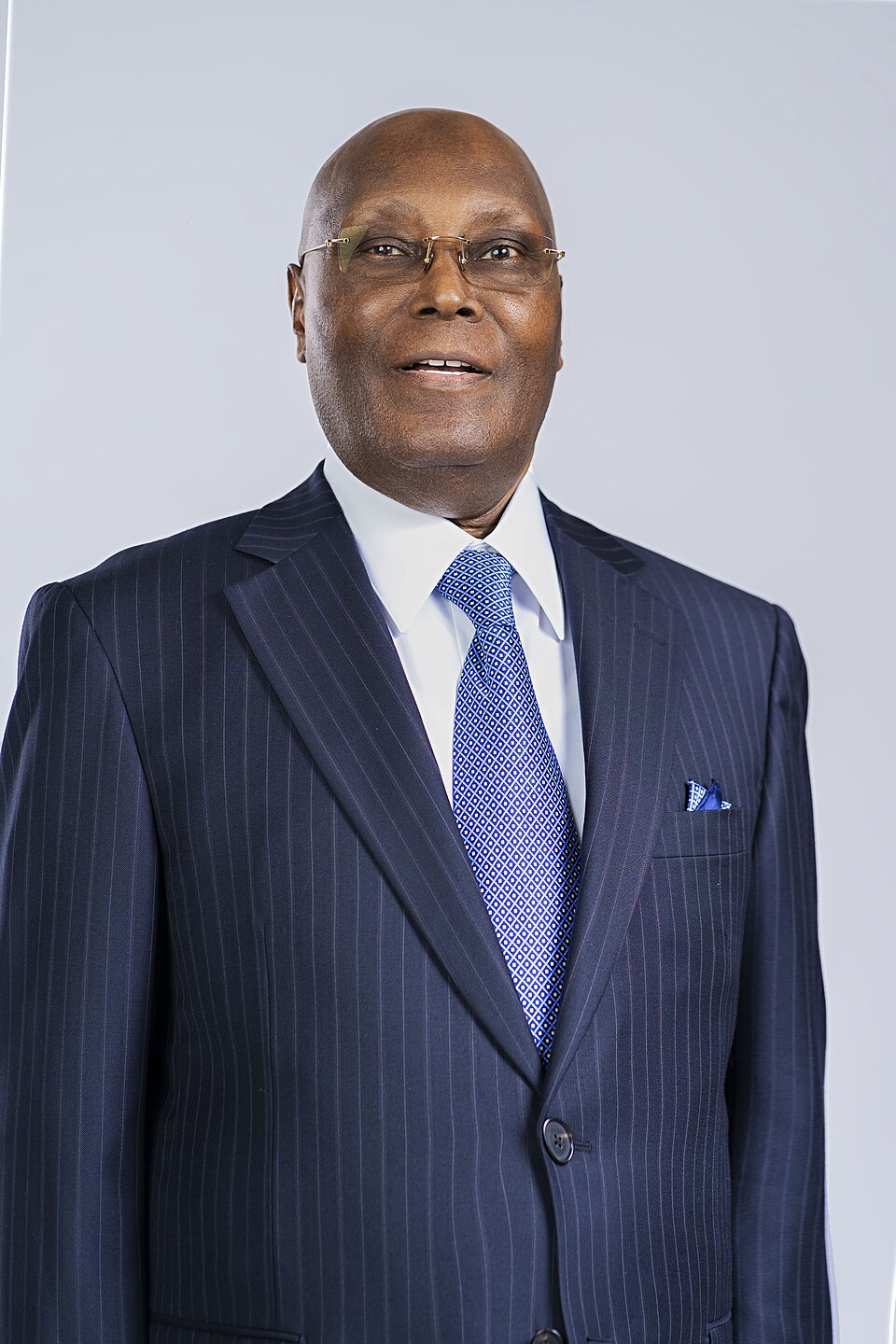 Atiku Abubakar
 Diepreye Alamieyeseigha


