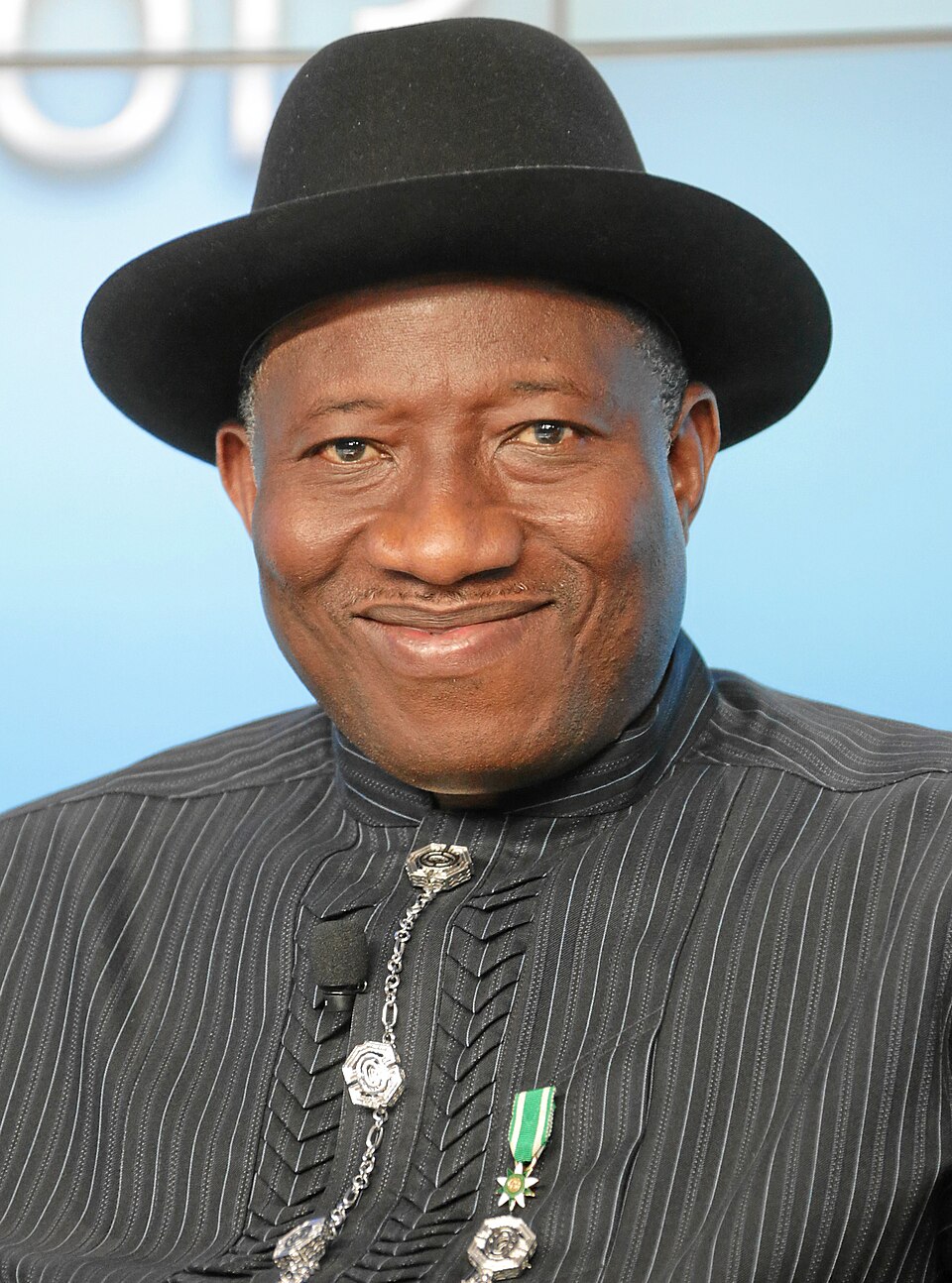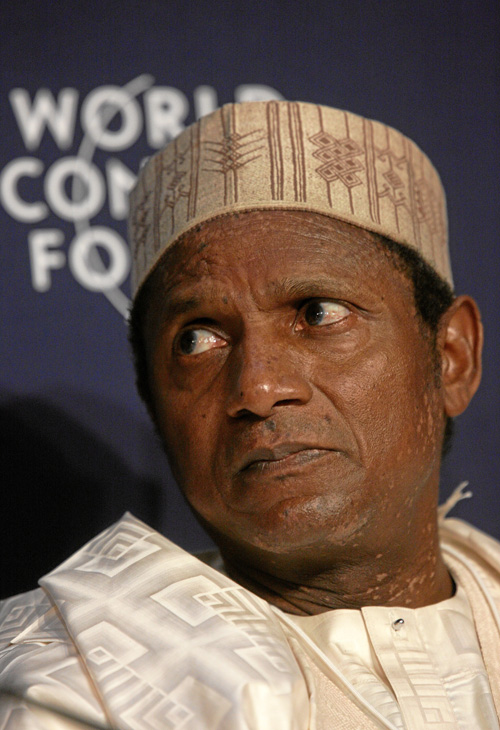
Umaru Musa Yar’Adua was President of Nigeria from May 2007 until his death in May 2010. A chemistry teacher turned politician, he was known as a reserved, scrupulous governor of Katsina State. He came to the presidency through an election that observers condemned, promised reform and the rule of law, launched the Niger Delta amnesty, and spent his last months too ill to govern.1
Early life and career
Yar’Adua was born in Katsina on 16 August 1951 into a prominent family: his father was a First Republic minister and his elder brother, General Shehu Musa Yar’Adua, was Obasanjo’s deputy in the 1970s. He studied at Barewa College and Ahmadu Bello University, then taught and lectured in Lagos and Katsina before working in business. He was active in the left-leaning People’s Redemption Party and later the SDP, and lost the 1991 Katsina governorship race.1
Governor of Katsina (1999–2007)
Elected in 1999 and re-elected in 2003 for the PDP, he concentrated on education and health and was reported to be the first governor to declare his assets publicly. Katsina adopted Sharia criminal law in 2000 with other northern states.1
The 2007 election
With President Obasanjo’s backing he won the PDP primary in December 2006 and chose Goodluck Jonathan as running mate. Official results credited him with about 70% of the vote in April 2007; his main rivals, Muhammadu Buhari and Atiku Abubakar, rejected the result.1 Human Rights Watch described the polls as so marred by fraud, violence and intimidation that they destroyed confidence in the results, with some 300 people killed in election-related violence.2 Once in office he set up an electoral reform committee under former Chief Justice Mohammed Uwais.1
President (2007–2010)
Yar’Adua declared his assets publicly in June 2007 and announced a seven-point agenda (power, food security, wealth creation, transport, land reform, security and education); critics said little of it was delivered and nicknamed him “Baba go-slow”.1
On 25 June 2009 he proclaimed an amnesty for Niger Delta militants who surrendered their weapons and renounced militancy, with a deadline of 4 October 2009.3 In July 2009 security forces crushed an uprising by the Boko Haram sect in the north-east; hundreds died, and the group’s leader, Mohammed Yusuf, was killed in police custody, which Human Rights Watch called an extrajudicial killing.4
Illness and death
Yar’Adua had long-standing kidney trouble. In November 2009 he was flown to Saudi Arabia for treatment and was not seen in public again. His absence without a formal handover caused a constitutional crisis until, on 9 February 2010, the National Assembly made Vice-President Jonathan acting president. Yar’Adua returned to Abuja on 24 February 2010 without being seen in public, and died there on 5 May 2010.1
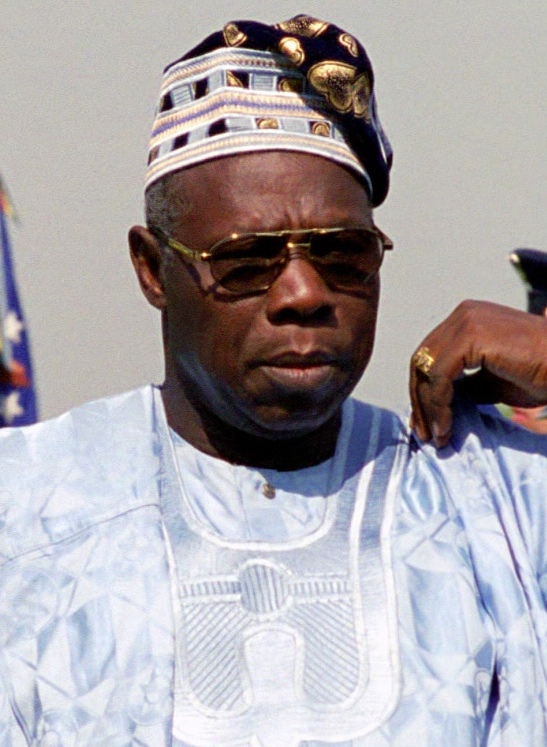 Olusegun Obasanjo