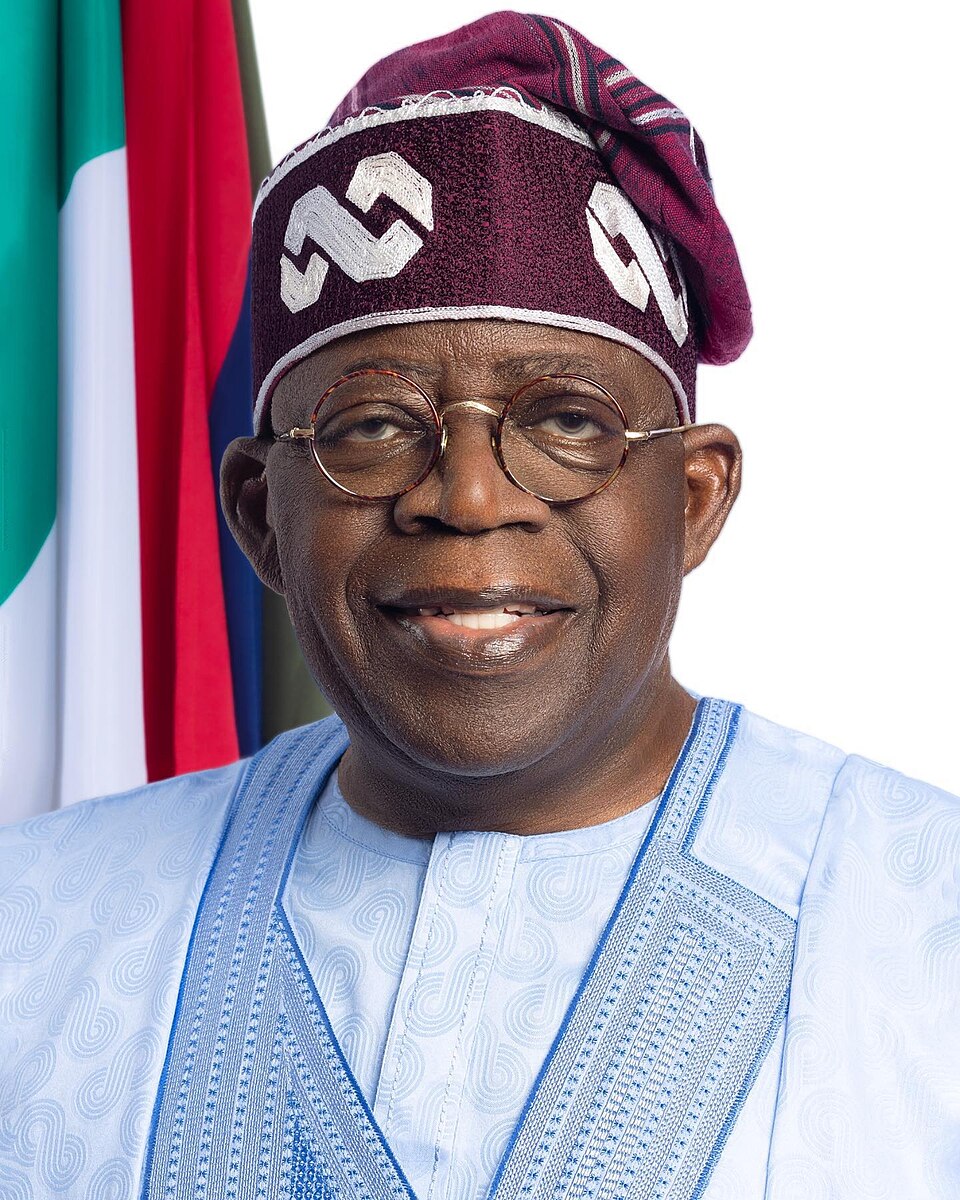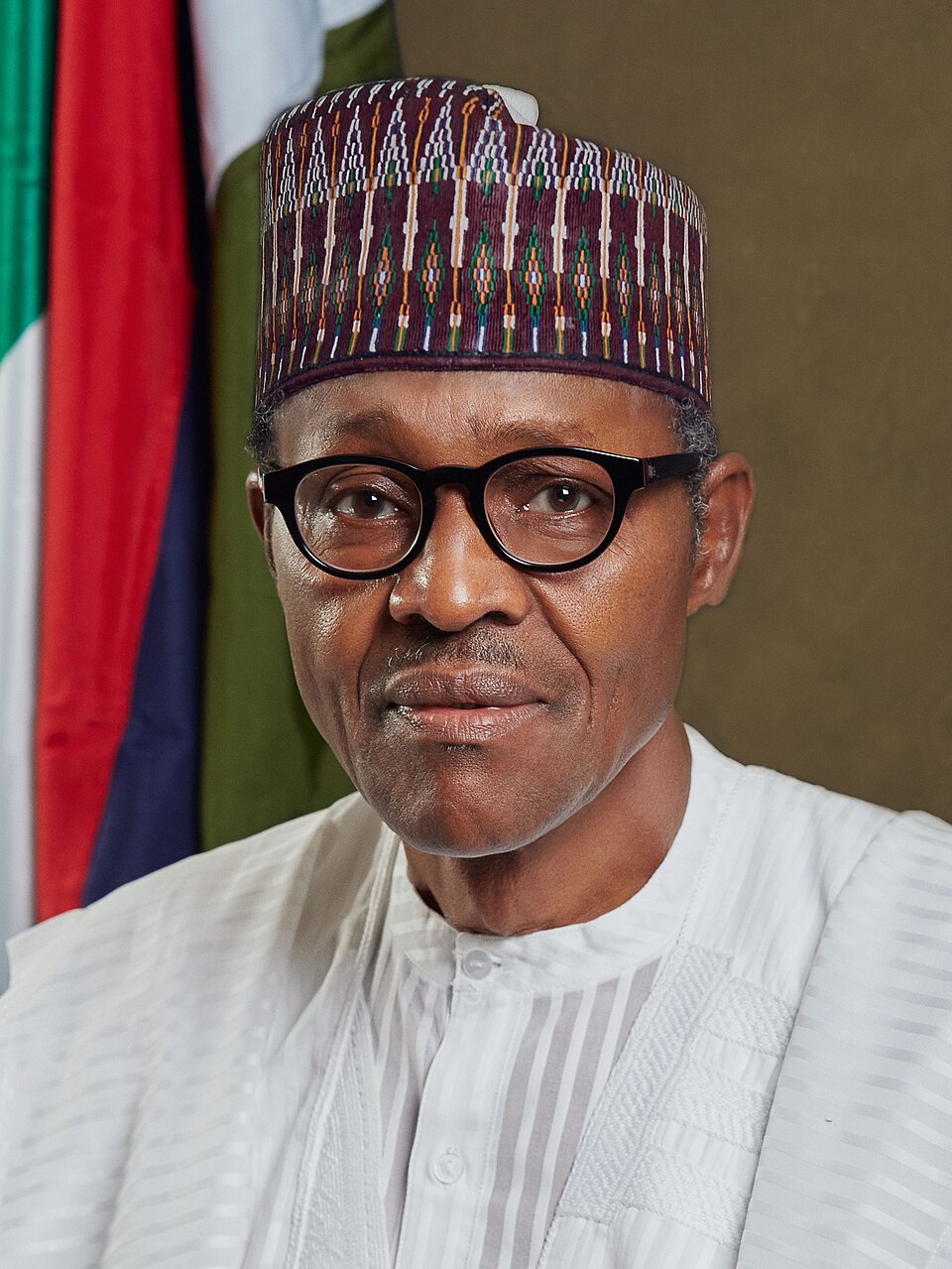
Muhammadu Buhari ruled Nigeria twice: as head of a military government from December 1983 to August 1985, and as an elected president from 2015 to 2023. To supporters he was an incorruptible disciplinarian; to critics his military rule was repressive and his presidency slow-moving, with a weak economy and worsening insecurity. He died in London on 13 July 2025.1
Military career
Born in Daura on 17 December 1942, Buhari joined the army in 1962, fought in the civil war and took part in the coups of July 1966 and 1975. He was governor of the North-Eastern State and then Borno, Federal Commissioner for Petroleum under Obasanjo from 1976 to 1978 and chairman of the NNPC.1
Military head of state (1983–1985)
Buhari led the government installed by the coup of 31 December 1983 that ended the Second Republic. His regime pursued austerity and a “War Against Indiscipline”, and jailed about 500 politicians and officials in 20 months. Decree 2 allowed detention without charge, Decree 4 punished reporting that embarrassed the government, and a drug decree applied retroactively led to executions. Musician Fela Kuti was jailed on charges Amnesty International called spurious, and an attempt to kidnap former minister Umaru Dikko from London in a crate was foiled. General Ibrahim Babangida overthrew him on 27 August 1985.1
Return to politics
Under General Sani Abacha he chaired the Petroleum Trust Fund. He ran for president and lost in 2003 and 2007 (ANPP) and 2011 (CPC), rejecting the 2007 result as rigged.1 In 2015, as candidate of the newly formed APC, he beat President Goodluck Jonathan by more than 2.5 million votes, the first time a sitting Nigerian president lost an election.12 He was re-elected in February 2019, defeating Atiku Abubakar by more than 3 million votes; Atiku’s petition failed.3
President (2015–2023)
- Economy: Nigeria fell into recession in 2016 as oil prices collapsed, growth averaged under 1% in his first term and unemployment reached about 23% by 2020. His government launched the National Social Investment Programme, including N-Power and school feeding.1
- Security: His government said Boko Haram was “technically defeated” in 2016, and 103 Chibok schoolgirls were freed in 2016–2017, but banditry, kidnapping and farmer–herder violence spread.1
- Corruption: The EFCC reported hundreds of convictions, but critics noted the 2019 removal and conviction of Chief Justice Walter Onnoghen and the 2020 arrest of the EFCC’s own chairman, Ibrahim Magu.1
- Rights: During the #EndSARS protests against police brutality in October 2020 the police unit was disbanded, but protesters were killed, including at the Lekki toll gate in Lagos, where a state panel found soldiers had fired on unarmed people.14 In June 2021 his government suspended Twitter after it deleted one of his posts; the ban was lifted in January 2022.1
- Health: Long medical stays in London in 2017, during which Vice-President Yemi Osinbajo acted as president, drew criticism.1
He handed over to Bola Tinubu on 29 May 2023 and retired to Daura.1
Death
Buhari died at a London clinic on 13 July 2025 after a long illness. His body was flown home and buried in Daura on 15 July with a state funeral.1
References
Muhammadu Buhari. Wikipedia, accessed October 2026. ↩ ↩ ↩ ↩ ↩ ↩ ↩ ↩ ↩ ↩ ↩ ↩ ↩
2015 Nigerian presidential election. Wikipedia, accessed October 2026. ↩
2019 Nigerian presidential election. Wikipedia, accessed October 2026. ↩
White paper: Lagos govt rejects massacre claim at Lekki toll gate. Channels Television, 1 December 2021. ↩
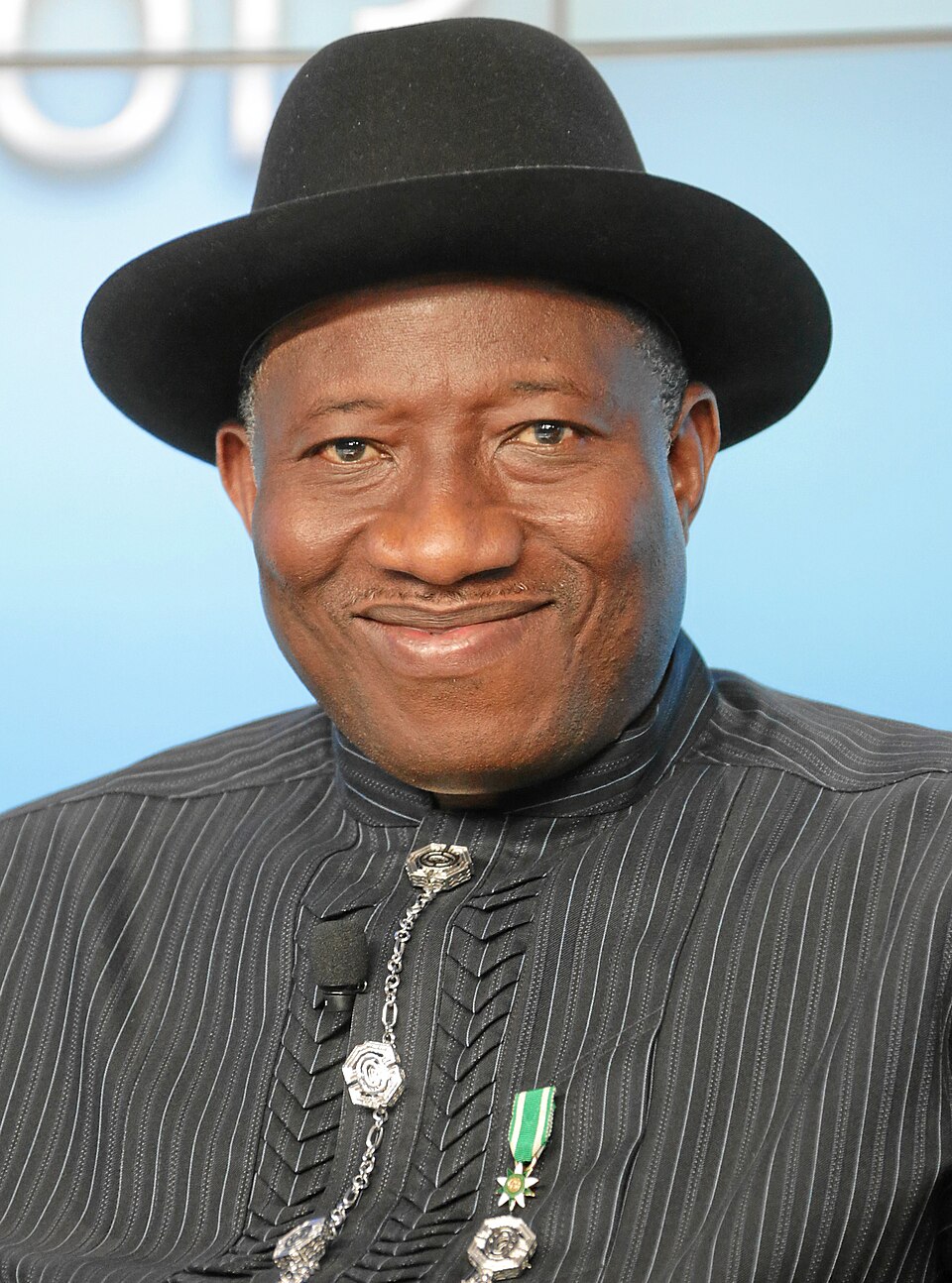 Goodluck Jonathan