
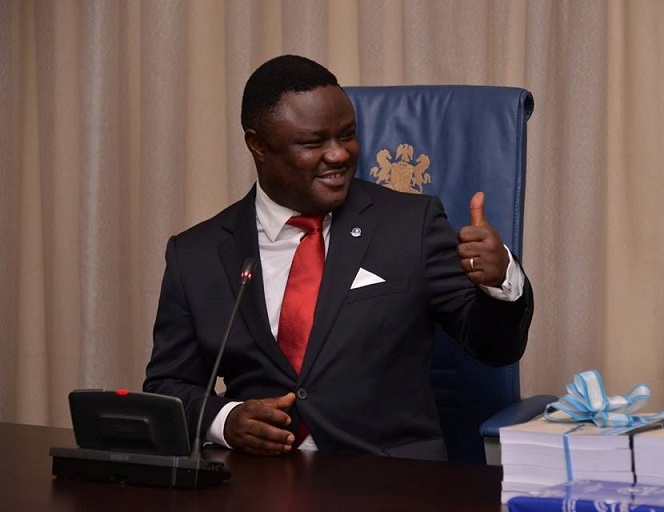
Bassey Edet Otu is the Governor of Cross River State. A former banker, he spent twelve years in the National Assembly before winning the governorship for the APC in 2023, succeeding Ben Ayade.1
Early life and career
Otu was born in Calabar on 18 October 1959 and comes from Adiabo in Odukpani. He grew up partly in Jos, where his father served the Church of Scotland mission, and studied social sciences at the University of Calabar. He worked in banking and the petroleum sector before entering politics.1
National Assembly
He represented Calabar Municipal/Odukpani in the House of Representatives from 2003 to 2011, chairing its committee on upstream petroleum, and was senator for Cross River South from 2011 to 2015, where he chaired the committees on finance and on banking. In the House he argued that Nigeria should resettle the people displaced after the Bakassi peninsula was ceded to Cameroon.1 He moved from the PDP to the APC in 2016.1
Governor (2023–present)
Otu won the March 2023 governorship election and took office on 29 May 2023.1 His government says it has paid salaries regularly and resumed paying gratuities to retired workers, and it sought a loan to clear pension arrears.23 Labour unions and critics have pointed to arrears owed to workers in state institutions and to the minimum wage of ₦40,000 he first announced in 2024, which workers called too low.45
2027
The APC returned Otu unopposed as its governorship candidate for 2027 in its May 2026 primary.6
References
Gov Otu to resume gratuity payments, reaffirms commitment to workers’ welfare. Cross River State Government. ↩
Cross River governor Otu seeks N24 billion loan to clear pension arrears. Peoples Gazette. ↩
Cross River workers disappointed as Otu announces N40,000 new minimum wage. The Guardian Nigeria, 2024. ↩
Labour urges govt to end insecurity, clear workers’ salary arrears. Leadership. ↩
APC primaries: Cross River governor returns unopposed. Voice of Nigeria, May 2026. ↩
 Ben Ayade

